
Every few months, some tech publication releases yet another list of must-have apps that will supposedly transform your life. I have downloaded hundreds of these recommended apps over the years, most of which ended up deleted within a week. After this cycle of downloading and deleting for over a decade, I have finally settled on the apps that actually stuck - and learned some things about why most apps fail to deliver on their promises.
What I have realized is that the best apps are not the ones with the most features or the fanciest designs. They are the ones that solve a specific problem in my life without creating new problems. The apps that survived my constant purges share common traits: they do one thing well, they work reliably, and they fit naturally into my existing routines.
The Apps I Actually Use Every Day
My most-used app is embarrassingly simple: a basic notes app that syncs across my devices. I use Apple Notes, but literally any notes app would work. What makes it valuable is not the app itself but how I use it. I have a running list for grocery items, a list of books people recommend, a list of gift ideas for family members, and a quick capture list for random thoughts. No fancy organization system, no tags, no folders within folders. Just simple lists I can access anywhere.
The second app I could not live without is a password manager. I resisted these for years, thinking I could just remember my passwords or use the same few variations everywhere. Then I got two accounts compromised in the same month and finally understood why security experts keep recommending password managers. Now I have unique, complex passwords for everything, and I only need to remember one master password. The mental load this removes is substantial.
For reading, I use Pocket to save articles for later. The internet is full of interesting content that appears at inconvenient times - during meetings, right before bed, when I should be working. Instead of either reading immediately or losing the article forever, I save it to Pocket and read during dedicated reading time. This simple workflow has dramatically improved both my productivity and the quality of what I read.
I use a meditation app called Insight Timer, though I resisted meditation apps for years. What changed my mind was the guided sessions for specific situations - falling asleep, managing anxiety, taking a work break. I do not use it every day, but when I need it, it is genuinely helpful.
The Apps I Deleted And Why
For every app I kept, there are probably ten I deleted. Understanding why certain apps failed helps explain what makes the successful ones work.
I deleted multiple habit tracking apps. The problem was not the apps themselves but the concept. Having to open an app and log every habit I completed became another thing to track, creating overhead that eventually made me stop both tracking and doing the habits. The best habits are the ones that become automatic enough that you do not need to track them.
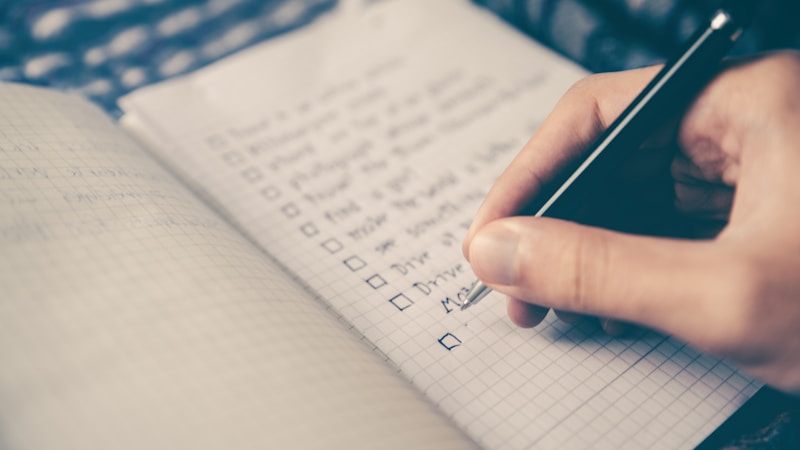
I deleted every to-do list app with significant features. Complex to-do apps with projects, contexts, priorities, tags, and recurring tasks became maintenance tasks themselves. I would spend more time organizing my tasks than actually doing them. Now I use a simple paper list for daily tasks and a basic digital note for longer-term items. No due dates, no priorities, no tags. Just things I need to do.
I deleted multiple budgeting apps after realizing the detailed tracking was making me more anxious about money without actually improving my finances. A simpler approach - knowing roughly what comes in, what goes out, and checking my accounts regularly - has worked better for me than any categorization system.
I deleted social media apps from my phone entirely. Not because social media is inherently bad, but because the phone apps were designed to maximize my time spent scrolling rather than to maximize my satisfaction. If I want to check social media, I do it on my computer, intentionally. This single change probably freed up more time than any productivity app could create.
What Makes An App Actually Useful
Reflecting on what stayed versus what got deleted, I notice some patterns. Useful apps have minimal friction - they work immediately when I need them without requiring setup, organization, or maintenance. They solve problems I actually have, not problems I might theoretically have someday. They fit into existing workflows rather than requiring new ones. And they do not try to do too much.
The apps I love most are almost invisible. I do not think about them as apps; I think about the tasks they help me accomplish. My notes app is just where I keep lists. My password manager is just how passwords work. Good tools disappear into the background of your life rather than demanding attention.
A Note On App Recommendations
Whenever someone asks me what apps to use, I hesitate to give specific recommendations. What works for me might not work for you. Our brains work differently, our needs differ, and what feels intuitive to one person feels clunky to another.
Instead of recommending specific apps, I recommend a process. Pay attention to friction points in your daily life - moments where you think there must be a better way to do this. Then look for the simplest possible app that addresses that specific friction. Try it for at least a month before deciding if it works for you. And be ruthless about deleting apps that add complexity without providing proportional value.
Most importantly, be skeptical of anyone (including me) telling you that certain apps will change your life. Apps are tools. A hammer can help you build a house, but owning a hammer does not make you a carpenter. The value comes from how you use the tool, not from the tool itself.
My Current Phone Setup
If you are curious, my current phone has about 25 apps total, including the ones that came pre-installed. On my home screen, I have only the apps I use daily: phone, messages, camera, browser, email, notes, calendar, and weather. Everything else is either in a single folder or hidden entirely.
This minimal setup was not intentional at first. I just kept deleting apps that I was not using or that were causing more problems than they solved. Over time, what remained was a phone that serves me rather than demanding my attention. It does what I need it to do and stays out of the way when I do not need it.
That, ultimately, is what I think technology should do. It should make specific tasks easier without adding new burdens. The best apps are the ones you barely notice because they work so well. Everything else is just digital clutter.
Helpful Resources
Related Articles on Articalo
- How do I stay productive while working from home?
- I Switched to Linux After 20 Years on Windows
- What Actually Helped My Anxiety





Ive been on the fence about this for a while. Your article just convinced me to take the leap!
Solid advice backed by real experience. This is the kind of content the internet needs more of.