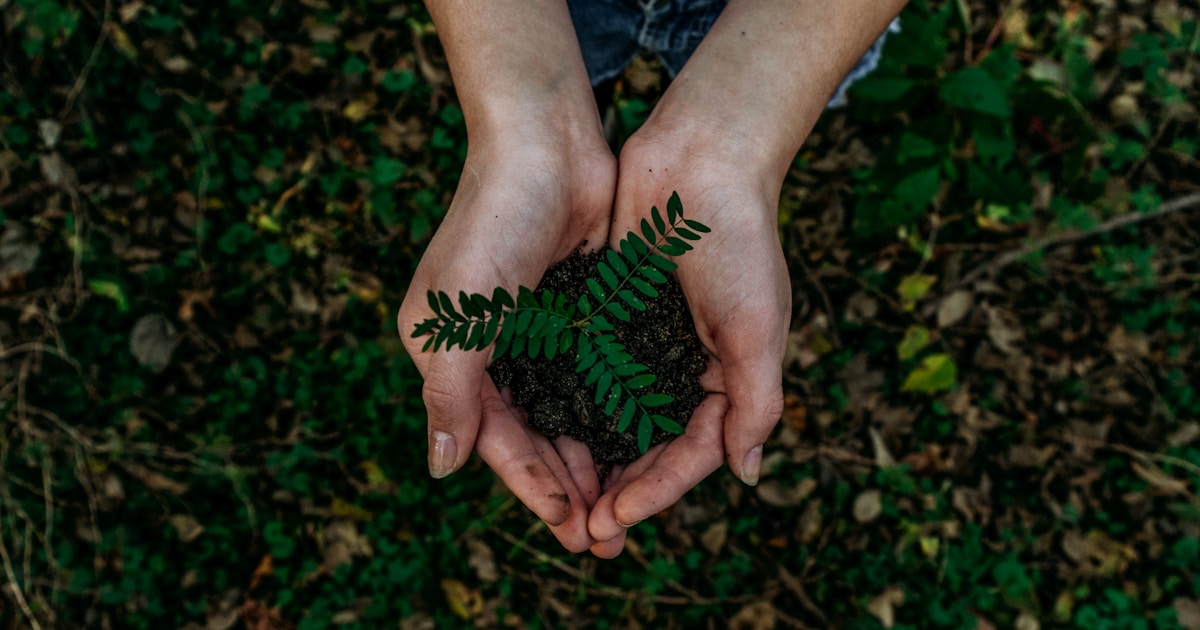
Climate change and environmental degradation make sustainable living increasingly important. But you don't have to go off-grid or make extreme sacrifices to reduce your environmental impact. Small, consistent changes add up to meaningful difference.
Understanding Your Impact
According to the Environmental Protection Agency, the average American's carbon footprint comes primarily from transportation, home energy, food, and consumer goods. Addressing these areas has the greatest impact.
Reducing Home Energy Use
Quick Wins
- Switch to LED bulbs (use 75% less energy)
- Unplug devices when not in use
- Lower thermostat 1-2 degrees
- Use cold water for laundry
- Air dry clothes when possible
Bigger Investments
- Improve insulation
- Install smart thermostats
- Consider solar panels
- Choose energy-efficient appliances
Sustainable Transportation
Transportation is often the largest source of personal emissions.
Reduce Driving
- Walk or bike for short trips
- Use public transportation when available
- Carpool or rideshare
- Combine errands into single trips
Drive Smarter
- Maintain your vehicle properly
- Avoid aggressive acceleration and braking
- Keep tires properly inflated
- Consider electric or hybrid vehicles
Food Choices
Food production has significant environmental impact.
Sustainable Eating
- Reduce meat consumption, especially beef
- Buy local and seasonal produce
- Choose organic when possible
- Reduce food waste through meal planning
- Compost food scraps
Our guide on smart grocery shopping includes tips that also support sustainability.
Reducing Waste
The 5 R's
- Refuse: Say no to what you don't need
- Reduce: Minimize consumption
- Reuse: Use items multiple times
- Recycle: When you can't reuse
- Rot: Compost organic matter
Practical Steps
- Carry reusable bags, bottles, and containers
- Choose products with minimal packaging
- Buy secondhand when possible
- Repair rather than replace
- Properly recycle and dispose of waste
Sustainable Shopping
- Buy quality over quantity
- Choose sustainable and ethical brands
- Consider the full lifecycle of products
- Support companies with environmental commitments
Water Conservation
- Fix leaks promptly
- Take shorter showers
- Run dishwashers and washers only when full
- Install low-flow fixtures
- Water gardens efficiently
Getting Started
Don't try to change everything at once. Pick one or two areas to focus on initially. As new habits become automatic, add more. Small changes, multiplied across millions of people, create massive impact.
Sustainable living often saves money too—connecting to your budget goals. It's good for the planet and good for your wallet.


