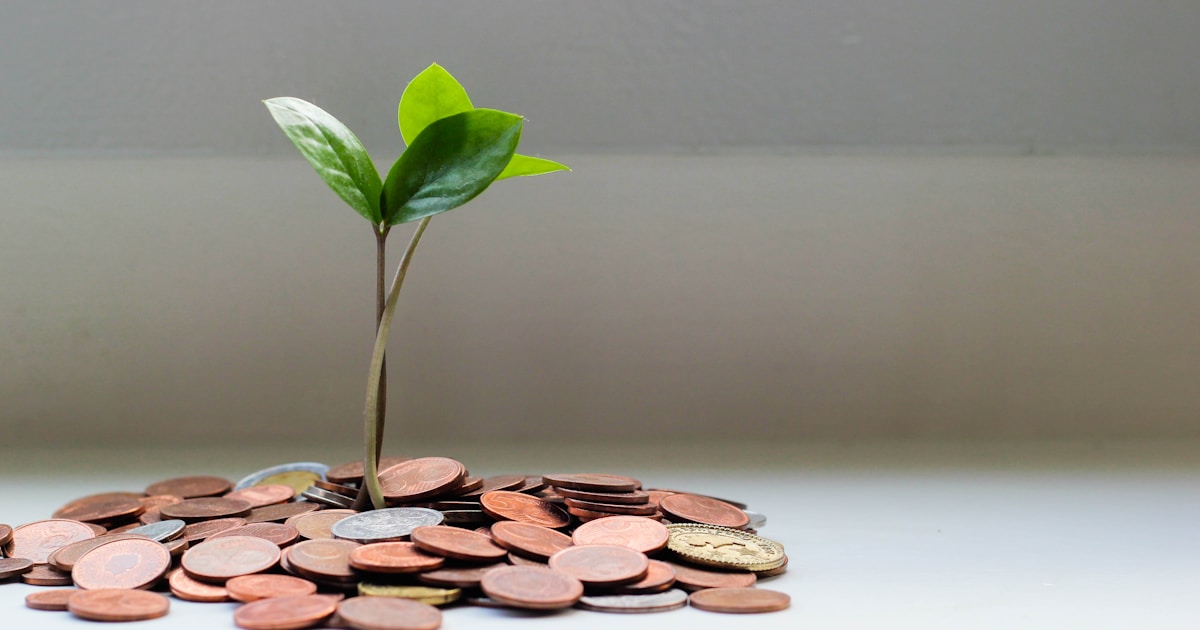
Financial security begins with a solid emergency fund. Whether you're just starting your career or looking to strengthen your financial foundation, having money set aside for unexpected expenses is crucial for long-term stability and peace of mind.
Why Emergency Funds Matter
Life is unpredictable. Car repairs, medical bills, job loss, or home emergencies can strike without warning. According to the Federal Reserve, nearly 40% of Americans couldn't cover a $400 emergency expense without borrowing money or selling something.
An emergency fund acts as your financial buffer, preventing you from:
- Accumulating high-interest credit card debt
- Dipping into retirement savings
- Making desperate financial decisions under pressure
- Experiencing stress that affects your mental health
How Much Should You Save?
Financial experts at NerdWallet recommend saving three to six months of essential expenses. However, the right amount depends on your situation:
Three-Month Fund Works If:
- You have a stable job with low layoff risk
- You're part of a dual-income household
- You have other accessible assets
Six-Month or More Fund If:
- You're self-employed or have variable income
- You work in a volatile industry
- You're the sole income earner
- You have dependents or health concerns
Where to Keep Your Emergency Fund
Your emergency fund needs to be accessible but not too tempting to spend. Consider:
High-Yield Savings Accounts
These accounts offer better interest rates than traditional savings while keeping your money FDIC-insured. Online banks typically offer the best rates, sometimes 10-15 times higher than brick-and-mortar banks.
Money Market Accounts
These combine savings account features with some checking account benefits, often including check-writing privileges and debit cards.
Building Your Fund Step by Step
Start small and build consistently. Just like building healthy habits, financial habits require patience and consistency.
Step 1: Calculate Your Target
List essential monthly expenses: housing, utilities, food, transportation, insurance, and minimum debt payments. Multiply by your target months.
Step 2: Start with $1,000
Before building your full fund, aim for a starter emergency fund of $1,000. This covers most minor emergencies and builds the saving habit.
Step 3: Automate Your Savings
Set up automatic transfers from checking to savings on payday. Even $50-100 per paycheck adds up significantly over time.
Step 4: Find Extra Money
Boost your fund by:
- Directing tax refunds to savings
- Selling unused items
- Reducing subscription services
- Taking on side work temporarily
When to Use Your Emergency Fund
Not every unexpected expense qualifies as an emergency. Ask yourself:
- Is it unexpected?
- Is it necessary?
- Is it urgent?
A concert ticket isn't an emergency. A broken water heater in winter is. Maintaining this discipline ensures your fund is available when you truly need it.
Rebuilding After Using Your Fund
When you use your emergency fund, prioritize rebuilding it before returning to other financial goals. The peace of mind it provides is invaluable for your overall stress management and financial well-being.


