When most people hear "blockchain," they think of Bitcoin and cryptocurrency speculation. But blockchain technology's potential extends far beyond digital currencies. At its core, blockchain is a revolutionary way to record and verify information—one that could transform everything from how we vote to how we track food from farm to table.
What is Blockchain, Really?
Imagine a spreadsheet duplicated thousands of times across a network of computers, designed to regularly update simultaneously. This distributed database isn't stored in any single location, meaning the records are truly public and easily verifiable.
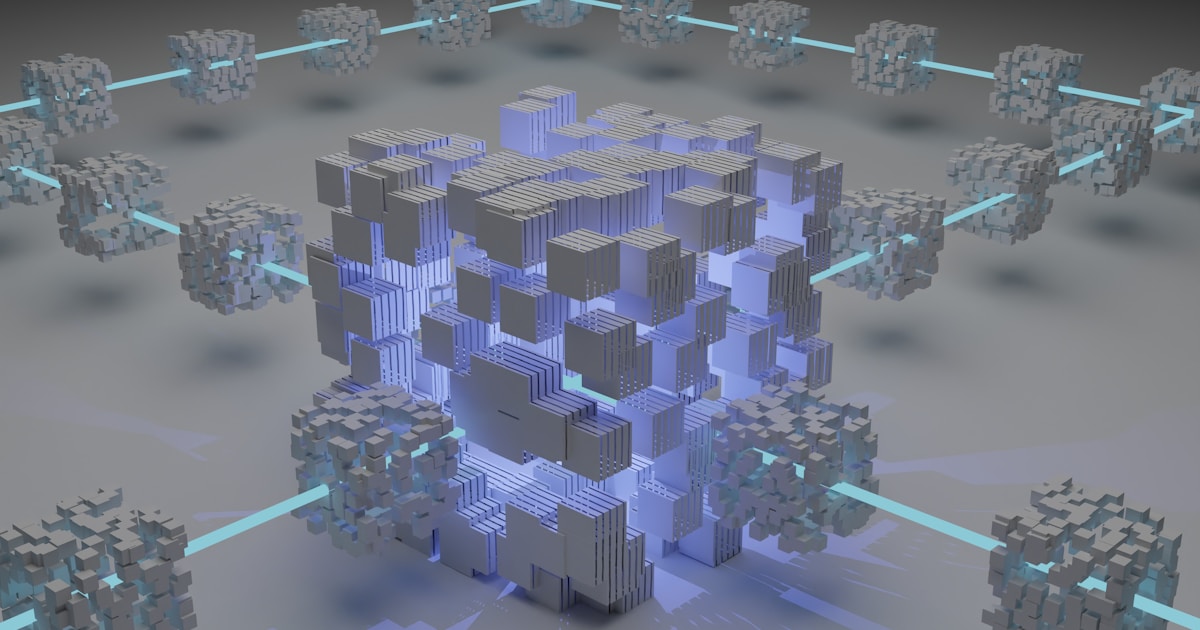
A blockchain is exactly what it sounds like: a chain of blocks. Each block contains data, a timestamp, and a cryptographic link to the previous block. This linking makes the chain incredibly resistant to modification—to change one block, you'd have to change every subsequent block across all copies of the database.
IBM defines blockchain as "a shared, immutable ledger that facilitates the process of recording transactions and tracking assets in a business network."
Key Features That Make Blockchain Revolutionary
Decentralization
Traditional databases are controlled by central authorities—banks manage financial records, governments maintain citizen data. Blockchain distributes this control across a network, eliminating single points of failure and reducing the need for trusted intermediaries.
Transparency
Anyone can view transactions on a public blockchain. While identities can remain pseudonymous, the transactions themselves are visible to all participants. This transparency creates accountability without requiring trust.
Immutability
Once data is recorded on a blockchain, it becomes extremely difficult to change. This permanence makes blockchain ideal for records that need to remain tamper-proof over time.
Security
Cryptographic techniques secure each transaction and link blocks together. The decentralized nature means there's no central point for hackers to attack. Learn more about protecting your digital life as blockchain becomes more prevalent.
Blockchain Applications Beyond Cryptocurrency
Supply Chain Management
Tracking products from origin to consumer has traditionally relied on paper records and trust. Blockchain creates an unbroken chain of custody visible to all stakeholders.
Walmart uses blockchain to trace produce from farm to shelf in seconds rather than days. When contamination is discovered, affected products can be identified and removed almost immediately.
De Beers tracks diamonds from mine to retail, combating conflict diamonds and fraud. Pharmaceutical companies are implementing blockchain to fight counterfeit medications that kill hundreds of thousands annually.
Healthcare Records
Medical records are fragmented across providers, leading to dangerous gaps in patient information. Blockchain could create unified, patient-controlled health records accessible by any authorized provider while maintaining privacy.
This transformation connects to broader changes in how AI is revolutionizing healthcare, with blockchain providing the secure data infrastructure AI systems need.
Voting Systems
Electoral integrity remains a global concern. Blockchain-based voting could provide transparency while maintaining voter privacy—each vote verifiable without revealing who cast it.
Estonia has pioneered digital voting using blockchain-like technology, with multiple countries exploring similar systems for future elections.
Real Estate
Property transactions involve numerous intermediaries, extensive paperwork, and significant fraud risk. Blockchain could streamline this process while creating immutable property records.
Countries like Sweden and Georgia are piloting blockchain land registries, potentially reducing fraud, speeding transactions, and lowering costs.
Intellectual Property and Royalties
Artists, musicians, and creators often struggle to track usage of their work and receive fair compensation. Blockchain enables transparent tracking of intellectual property usage and automatic royalty payments.
Identity Verification
Digital identity verification is cumbersome and insecure. Blockchain-based digital identities could give individuals control over their personal data while simplifying verification for services requiring identity confirmation.
Types of Blockchain Networks
Public Blockchains
Anyone can participate in public blockchains like Bitcoin and Ethereum. They're fully decentralized but can be slower and more energy-intensive.
Private Blockchains
Controlled by single organizations, private blockchains sacrifice decentralization for speed and privacy. They're popular in enterprise applications where participants are known entities.
Consortium Blockchains
Multiple organizations share control of consortium blockchains. This model works well for industries where competitors need to share data while maintaining some competitive separation.
Challenges and Limitations
Blockchain isn't a universal solution. Current limitations include:
Scalability: Processing speeds lag behind traditional databases. Bitcoin handles roughly 7 transactions per second compared to Visa's thousands.
Energy Consumption: Some blockchain systems require enormous computational power. Bitcoin's energy consumption rivals small countries, though newer consensus mechanisms are addressing this.
Regulatory Uncertainty: Legal frameworks haven't kept pace with technology, creating uncertainty for businesses implementing blockchain solutions.
Complexity: Blockchain systems can be difficult to implement and integrate with existing infrastructure.
The Future of Blockchain
Research continues on solving scalability and efficiency challenges. Layer 2 solutions, proof-of-stake consensus, and sharding promise to make blockchain faster and more energy-efficient.
Enterprise adoption is accelerating, with Gartner predicting blockchain will generate over $3 trillion in business value by 2030.
The technology is maturing from experimental to production-ready. As barriers lower and use cases prove themselves, blockchain will quietly integrate into systems you use daily—you may not even know it's there.
Should You Care About Blockchain?
Even if you never directly interact with blockchain technology, it will likely affect you. The products you buy may be blockchain-verified. Your medical records might live on a blockchain. Your votes could be blockchain-secured.
Understanding this technology helps you participate in conversations about its implementation and governance. Like the internet before it, blockchain has the potential to reshape society—and informed citizens make better decisions about that reshaping.
For those considering careers in emerging technology, blockchain development offers significant opportunities. As covered in our career pivot guide, tech fields continue offering strong growth potential.


