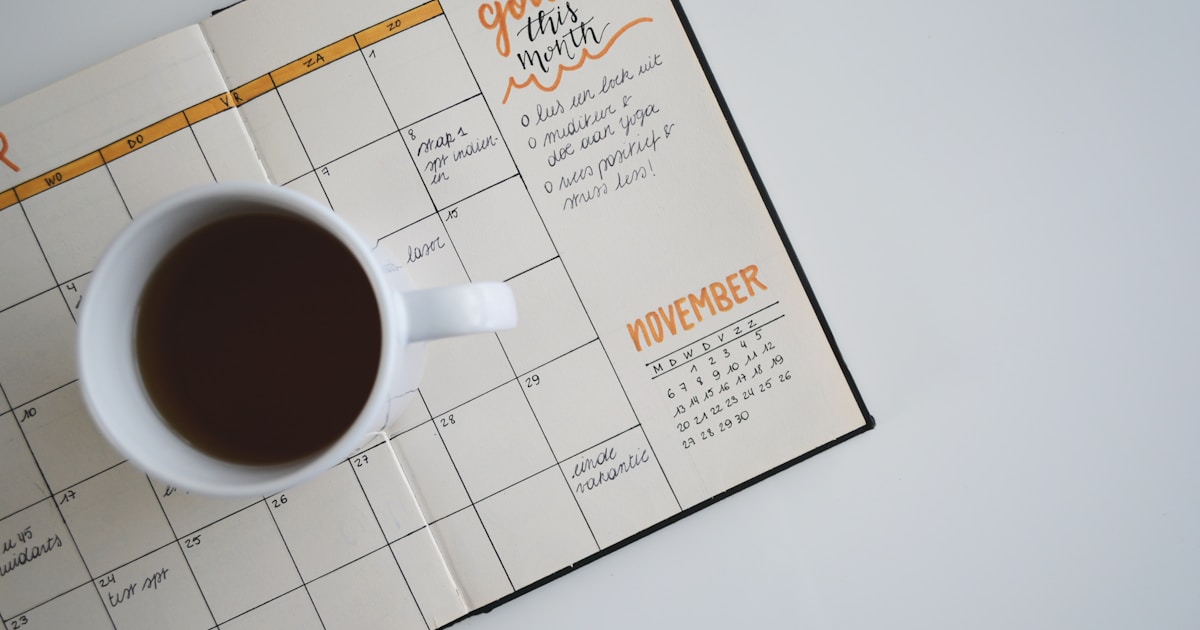
Work-life balance isn't about perfect equilibrium—it's about intentionally allocating time and energy across life domains in ways that align with your values. In an always-connected world, achieving this balance requires deliberate effort.
Redefining Work-Life Balance
The metaphor of balance suggests a static state, but life is dynamic. Some seasons demand more work; others allow more personal time. The goal is overall satisfaction and sustainability over time.
According to Harvard Business Review, work-life balance is better thought of as work-life integration—thoughtfully blending all aspects of life rather than rigidly separating them.
Why Balance Matters
Chronic imbalance leads to:
- Burnout and exhaustion
- Damaged relationships
- Health problems
- Decreased work performance
- Loss of identity beyond work
Conversely, balance supports:
- Sustained productivity
- Creativity and innovation
- Stronger relationships
- Better physical and mental health
- Greater life satisfaction
Identifying Your Values
Balance looks different for everyone. Start by clarifying:
- What matters most to you?
- What would you regret not doing?
- What energizes versus drains you?
- What non-negotiables must be protected?
Your answers guide how to allocate time and set boundaries.
Setting Boundaries
Time Boundaries
- Define work hours and stick to them
- Protect personal time with the same rigor as work meetings
- Use calendar blocking for non-work priorities
- Learn to say no to requests that violate boundaries
Physical Boundaries
- Create separation between work and living spaces
- Leave work devices in work areas
- Change clothes to signal transitions
Mental Boundaries
- Develop rituals to transition between roles
- Practice being present in each context
- Limit rumination about work during personal time
Practical Strategies
Time Audit
Track how you actually spend time for a week. Often, reality differs from perception. Identify time drains and misalignments with priorities.
Priority Protection
Schedule important personal activities first:
- Exercise appointments
- Family dinners
- Date nights
- Hobbies and interests
Technology Boundaries
See our guide on digital wellness for managing technology's intrusion:
- Disable work notifications after hours
- Designate tech-free times and zones
- Use separate devices for work and personal when possible
Delegation and Outsourcing
You don't have to do everything yourself:
- Delegate at work where appropriate
- Outsource household tasks if feasible
- Share responsibilities with partners
- Accept "good enough" rather than perfection
Managing Demanding Periods
Sometimes work legitimately requires more:
- Define when the demanding period will end
- Communicate with family about temporary adjustments
- Protect minimum self-care (sleep, basic exercise)
- Plan recovery time afterward
- Watch for signs of burnout
The Role of Employers
While individuals can do much, organizational culture matters. Seek employers who:
- Respect boundaries and time off
- Model healthy behaviors at leadership levels
- Offer flexibility where possible
- Value outcomes over hours
When to Seek Change
If balance remains impossible despite best efforts, consider:
- Negotiating with your employer
- Seeking different roles or organizations
- Making career changes aligned with values
- Adjusting financial needs to allow more flexibility
Work-life balance is an ongoing practice, not a destination. Regular reflection and adjustment keep life aligned with what matters most. Combined with burnout prevention, intentional balance creates a sustainable, fulfilling career and life.